
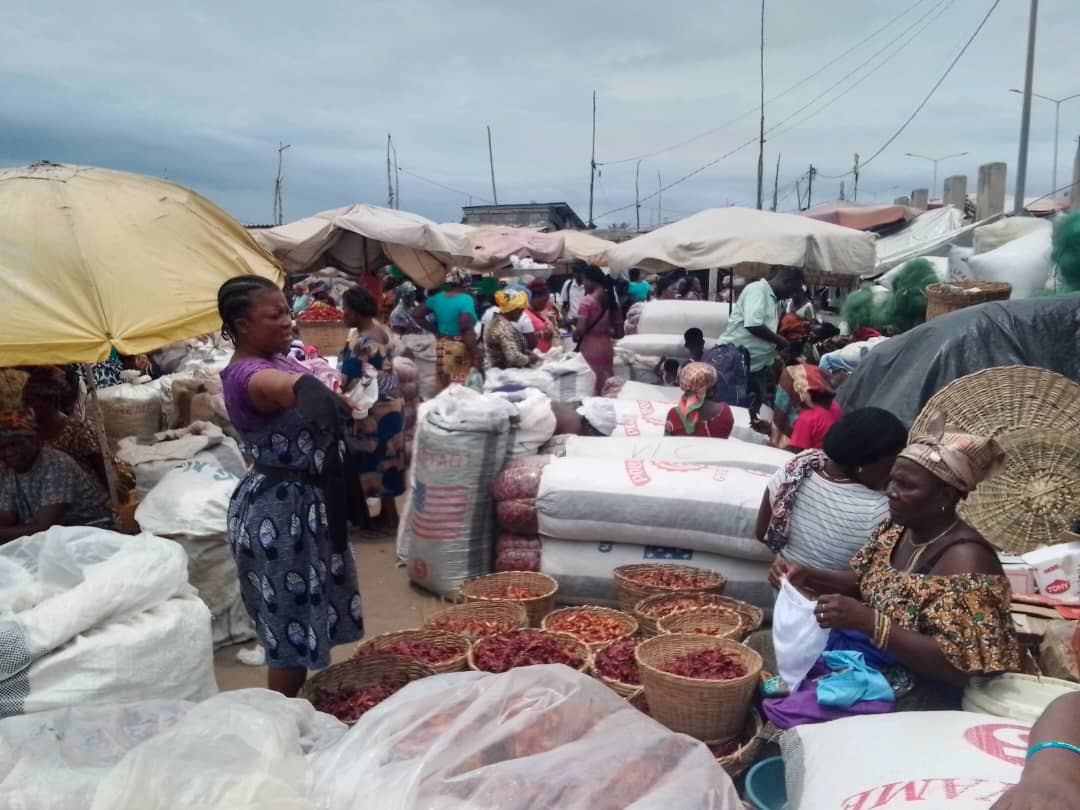
By Oscar Akaba Norvixoxo
Cross-border trade is a vital economic activity across West Africa, sustaining livelihoods, feeding local markets, and supporting regional integration. While large-scale exporters benefit from structured trade systems, small-scale traders, who form the backbone of regional commerce, often face barriers that prevent them from fully participating in formal trade arrangements. My interaction with Afi Nadine, a small-scale cross border woman trader from Anyako -Ghana, illustrates the challenges faced as traders and underscores the urgent need for simplified Certificates of Origin within the Customs Simplified Goods Declaration system.
Afi’s Trading Context
Afi operates in the Volta Region of Ghana, where she runs a small business supplying cooking oil to local fish fryers in Agbozume and Keta. Her customers are primarily women who depend on her products for their daily fish frying businesses, which form an essential part of the local economy.
To maintain her supply, Afi regularly travels to Ashigame in Togo, a nearby market town, where locally produced cooking oil is available at competitive prices. Due to limited capital and transportation capacity, she purchases only small quantities—enough to meet daily and weekly demand in her local markets. Unlike large-scale exporters, Afi does not buy directly from factories or registered exporters, nor does she have the resources to purchase large shipments at once.
Despite her small-scale operations, Afi’s business is a critical link in the local supply chain. The cooking oil she brings from Togo ensures the continuity of fish frying businesses and supports the livelihoods of numerous households in her community. Her trade activity also contributes to regional market integration by moving goods efficiently across borders.
Challenges with the Current Certificate of Origin System
Afi’s business, like many small-scale traders in West Africa, faces a significant barrier: the current Certificate of Origin system is designed for large-volume factory-to-market trade. To obtain a Certificate of Origin under this system, traders are required to provide documentation confirming that goods are sourced directly from registered factories or exporters and purchased in large quantities.
For Afi, this presents several challenges:
- Small-Scale Purchases: She buys only small quantities of cooking oil from the open market in Togo. The current system does not recognize market-sourced goods as eligible for origin certification.
- Limited Access to Documentation: Because she does not deal with registered factories, she cannot provide formal invoices or commercial export documents required to secure a Certificate of Origin.
- High Costs: The procedures for obtaining Certificates of Origin, including travel to government offices or exporter facilities, impose financial burdens that are disproportionate to the scale of her business.
- Border Delays and Risk: Without a Certificate of Origin, Afi may be subjected to full import duties, delays at border checkpoints, or even fines for non-compliance, even though her goods are legitimately produced within an ECOWAS member state.
- Discouragement from Formal Trade Systems: The complexity and inaccessibility of the documentation system often push traders like Afi to avoid formal trade channels, limiting their ability to benefit from preferential treatment under the ECOWAS Trade Liberalization Scheme (ETLS).
Implications for Regional Trade and Local Economies
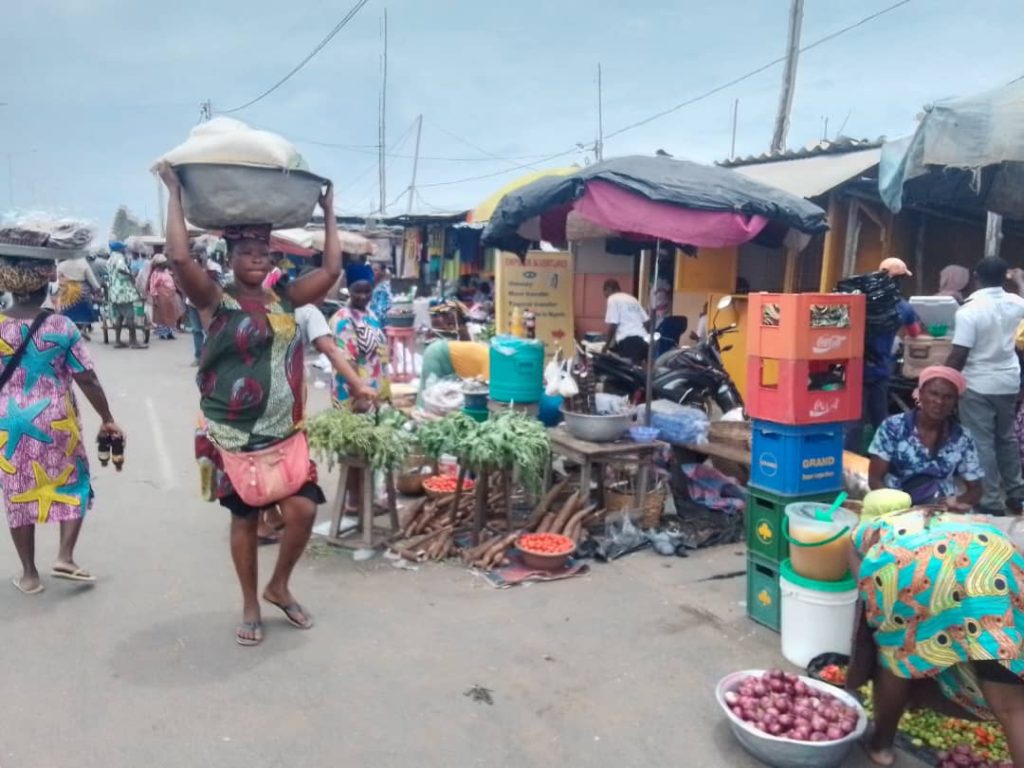
The challenges faced by Afi are not unique. Across West Africa, thousands of small-scale traders experience similar difficulties, particularly women, who constitute the majority of cross-border traders in many regions. These obstacles have multiple implications:
- Reduced Economic Participation: Small traders are unable to access the benefits of regional trade agreements, limiting their income potential and economic contribution.
- Informal Trade Persistence: Traders continue operating outside formal trade systems, reducing the effectiveness of customs monitoring, revenue collection, and trade data collection.
- Food Security Risks: Traders like Afi play a critical role in moving food commodities efficiently across borders. Barriers to their operations can disrupt local market supply, affecting households that depend on these goods.
- Gender Inequity: Women traders, already operating with limited capital and resources, face disproportionate challenges in accessing formal trade systems, widening economic disparities.
The Case for Simplified Certificates of Origin
Afi’s experience highlights the urgent need to simplify Certificates of Origin for small-scale traders and integrate these into the Customs Simplified Goods Declaration system. A reformed system could include the following features:
- Market-Based Verification: Certificates of Origin should recognize goods purchased from traditional markets, not just factory shipments. Customs officials could verify origin using standardized forms adapted for small-scale trade.
- Volume-Appropriate Requirements: The system should allow small-volume traders like Afi to obtain certificates without meeting large shipment requirements, making trade more realistic and inclusive.
- Accessible Issuing Points: Certificates could be issued or validated at border markets, trader association offices, or local customs desks, reducing travel costs and administrative delays.
- Integration with Trader Databases: Linking simplified Certificates of Origin with trader registration systems, such as the Cross Border Trader’s Card initiative, could enhance transparency, financial inclusion, and traceability.
How Simplification Benefits Traders and Regional Trade
Simplifying Certificates of Origin for small-scale traders would produce multiple benefits:
- Financial Inclusion: Traders with professional documentation can access preferential tariffs and develop credibility with financial institutions, enabling access to trade loans, credit, and insurance.
- Improved Compliance: Accessible procedures encourage traders to operate within formal systems, improving customs monitoring and regional trade data.
- Market Efficiency: Reduced administrative barriers facilitate faster movement of goods, ensuring that local markets remain supplied with essential commodities.
- Women Empowerment: Simplified procedures directly support women traders, who dominate small-scale cross-border trade in West Africa, by reducing barriers to formal participation.
- Regional Integration: When small traders like Afi can fully participate in ECOWAS trade frameworks, regional commerce becomes more inclusive, realistic, and sustainable.
Practical Scenario: Afi’s Day-to-Day Operations
Under a simplified Certificate of Origin system, Afi’s trading day would look like this:
- She purchases cooking oil in small quantities from Ashigame market in Togo.
- At a designated border market desk or local customs post, she declares the origin of the goods using a simplified form.
- A customs officer verifies the market source through the trader association registry or market certification process.
- Afi receives a Simplified Certificate of Origin, which allows her to benefit from preferential tariffs under ETLS.
- She crosses the border efficiently and delivers the oil to fish fryers in Agbozume and Keta without unnecessary delays or additional costs.
This process would reduce administrative burdens, improve compliance, and make trade realistic for small-scale traders operating within traditional market systems.
Conclusion
Afi’s experience demonstrates that the current Certificate of Origin system, designed for factory-to-market trade with large shipments, does not reflect the realities of small-scale cross-border trade in West Africa. Traders operating within traditional market systems face significant barriers to accessing preferential trade benefits, reducing their income potential and limiting their contribution to regional trade.
Simplifying Certificates of Origin and integrating them within the Customs Simplified Goods Declaration system is an essential reform. It would make trade more inclusive, support women traders, enhance market efficiency, strengthen regional integration, and ensure that grassroots traders like Afi can fully participate in the ECOWAS trade framework.
By reforming origin documentation to reflect the realities of traditional markets, policymakers can support both economic growth and social equity, creating a regional trade environment that works for all traders—large and small.